Master these essential elements and transform blank pages into compelling visual stories
You’ve gathered your journal, assembled your adhesives, and you’re ready to create—but you’re staring at a blank page wondering where to start. Here’s what experienced junk journalers know: the right ephemera printables turn uncertainty into creative flow. Think of these ten elements as your foundational toolkit, the way a chef relies on essential knives or a painter reaches for primary colors.
Let’s walk through each printable category, understanding not just what it is, but exactly how it functions in your journal and why it earns its place on this list.
1. Tags: Your Versatile Layer-Builders
Tags are the workhorses of junk journaling. These small, shaped pieces (typically 2–4 inches) create dimension and focal points. Start with classic hang tags featuring pre-punched holes—they tuck into pockets, dangle from ribbons, or layer over backgrounds.
Why they work: Tags give you defined spaces to write quotes, dates, or single-word prompts without committing to filling an entire page. If you’re nervous about “ruining” a spread, tags feel forgiving because they’re already contained units.
Quick win: Print tags in three sizes (small, medium, large) in your first batch. Layer a large tag as your base, add a medium one at an angle, finish with a small accent tag. You’ve just created visual interest with zero artistic skill required.
2. Pockets: The Functional Game-Changer
Printable pockets transform flat pages into interactive experiences. Think library card pockets, envelope-style holders, or simple folded rectangles with decorative fronts.
The checkpoint: When you print your first pocket template, test-fold it with scrap paper before committing to cardstock. The fold lines should be crisp and the pocket should hold a standard business card comfortably. If cards slide out too easily, add a small piece of washi tape as a catch.
These aren’t just decorative—they’re where journaling becomes treasure-hunting. Tuck photos, memorabilia, extra journaling cards, or secret messages inside.
> EDITOR’S TIP: Print pockets on 65-lb cardstock minimum. Regular printer paper creates floppy pockets that won’t hold their contents reliably.
3. Journaling Cards: Your Writing Prompt Saviors
Picture a 3×4-inch card with a decorated border and lined center—that’s a journaling card. They solve the “I don’t know what to write” problem by creating a boundary that feels manageable.
The progression: Start by simply adhering them to pages and filling them in. Once comfortable, try partially tucking them under other elements, cutting them into unusual shapes, or using multiple cards to create a storytelling sequence across a spread.
Like having a template for success, journaling cards remove the intimidation of blank space while adding cohesive design through repeated elements.
4. Flip-Outs: The Surprise Element
A flip-out is exactly what it sounds like: a panel attached at one edge that lifts to reveal hidden content beneath. Print decorative strips (typically 2 inches wide, various lengths) that you’ll adhere along one edge only.
Where beginners stumble: They glue the entire back surface and wonder why it won’t flip. The solution is simple—run adhesive along only one short edge, let it dry completely, then test the flip action before adding content underneath.
Flip-outs create anticipation. They make page-flipping an active discovery rather than passive viewing. Use them to hide journaling you want private, create before-and-after reveals, or add substantial content without overwhelming a spread.
5. Backgrounds: Your Foundation Layer
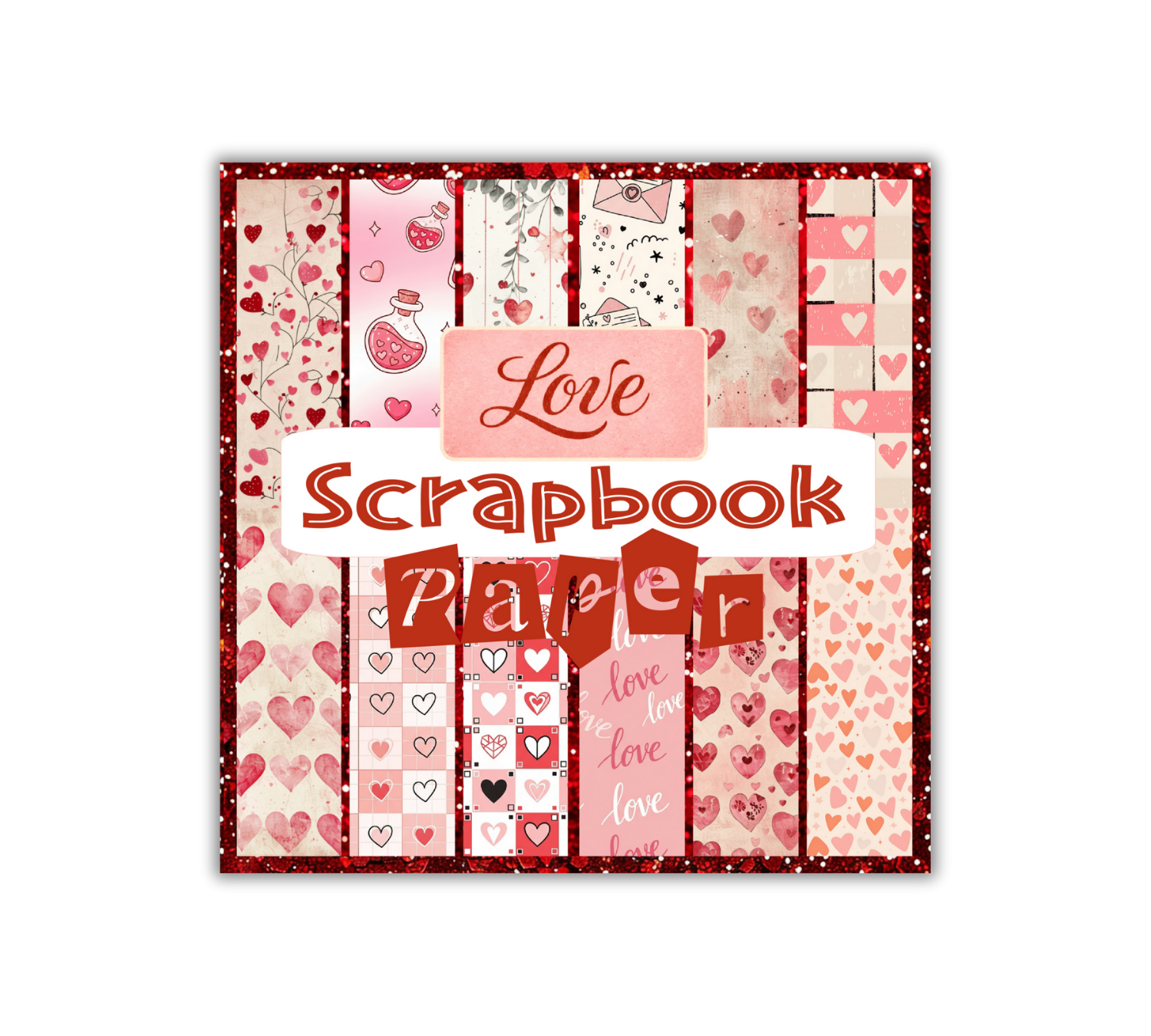
Background printables are full-page or partial-page designs—think vintage book pages, music sheets, distressed textures, or subtle patterns. They establish mood before you add anything else.
The method that works: Print backgrounds on thinner paper (20-24 lb) so they don’t add bulk. Adhere them with a glue stick rather than liquid adhesive to prevent warping. Think of them as wallpaper for your pages—they should enhance without dominating.
Current trend: Translucent vellum backgrounds printed with vintage text or botanical illustrations create ethereal layers that let underlying pages peek through mysteriously.
6. Tickets and Stubs: The Authenticity Markers
Printable tickets—movie stubs, train passes, admission tickets, luggage tags—inject narrative authenticity. Even if you didn’t actually attend the 1950 Paris Metro, a vintage ticket stub sets that scene instantly.
Making them believable: After printing, distress edges with sandpaper or tear them slightly. Add coffee stains or ink smudges. Real tickets show wear. Pristine tickets from 1952 break the illusion you’re building.
These elements work because they’re immediately recognizable. Your eye reads “ticket” and your brain supplies “journey, experience, memory.”
7. Frames and Borders: The Attention Directors
Decorative frames (rectangular, circular, ornate, minimal) create designated spaces for photos, written content, or focal imagery. They’re the difference between elements floating randomly versus being intentionally presented.
Smart sizing: Print frames in quarter-page, half-page, and full-page sizes. The quarter-page frames see the most use—they’re substantial enough to matter but don’t commit you to filling an entire page.
Think of frames as spotlights. They tell viewers’ eyes: “This matters. Look here first.”
8. Tabs and Dividers: The Navigation System
Printable tabs—those small protruding labels—help you section your journal by theme, month, or mood. They’re functional for flip-through navigation but also add architectural interest to page edges.
The practical approach: Reinforce printed tabs with clear packing tape before trimming. This prevents dog-earing with repeated page-turning. Attach them to heavy cardstock divider pages rather than regular journal pages for durability.
As your journal grows, tabs transform a stack of pages into an organized reference you’ll actually use rather than admire from a distance.
“The right printables don’t restrict your creativity—they create scaffolding that makes creativity possible.”
9. Word Strips and Phrases: The Instant Storytelling
Pre-designed word strips—single words like “remember,” “breathe,” “explore,” or short phrases—eliminate the typography struggle. They add polished text elements without hand-lettering skills or alphabet stickers.
Confidence builder: If you’re uncertain about handwriting in your journal, word strips let you add meaningful text while you develop comfort with pen-to-page work. They’re training wheels that actually look intentional.
Cut them into banners, layer them over photos, use them as titles—they’re remarkably versatile for such simple elements.
10. Decorative Papers: The Finishing Touches
This category covers everything from damask patterns to floral designs, geometric prints to watercolor washes. They’re partial-page elements you use for matting, corners, or filling awkward gaps.
The layering principle: Use decorative papers in odd numbers (one, three, five pieces per spread) and vary their sizes. A large piece, medium piece, and small accent creates visual hierarchy naturally. Equal-sized elements compete for attention and create visual tension instead of harmony.
Your Next Steps
Start with tags, pockets, and journaling cards—this trio covers 70% of functional junk journal needs. Add backgrounds and frames when you’re ready to develop more complex spreads. The remaining five elements can wait until you’ve established your rhythm.
The takeaway: These printables aren’t about following rules—they’re about having reliable tools when inspiration strikes. Print a starter set of each, keep them in a folder, and reach for what serves your creative moment. You’ll quickly discover which elements become your signatures and which ones you customize to fit your unique vision.
The blank page isn’t intimidating anymore. It’s a stage, and you’ve just assembled your essential props. Now the story is yours to tell.